
The fact that Sense and Sensibility constituted as a film helming the feminist narrative, might not seem entirely true, today. But given the time it was made in and respecting the fact that it was adapted from a classic novel released even earlier, it seems pivotal to appreciate the intent behind it.
The appreciation doesn’t imply that the film in its entirety is just about it, but also means that it is necessary to address the breakthrough that followed up post the release of this film in the mid 1990s when cinema still wasn’t a strong ally in the feminist movement.
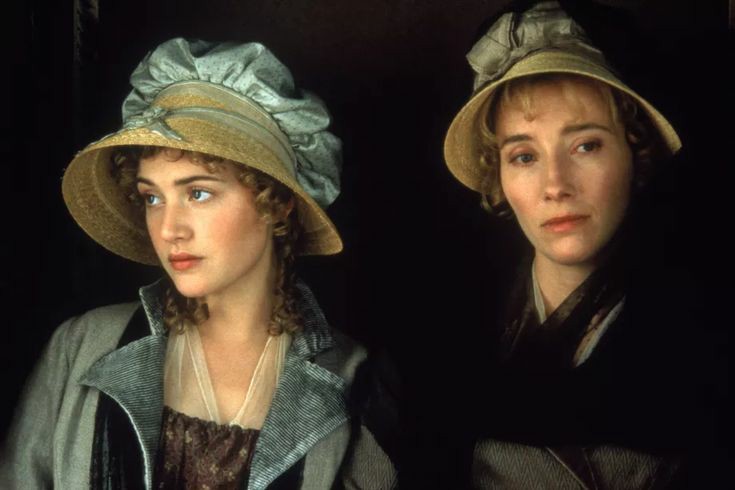
Sense and Sensibility is the film adaptation of Jane Austen’s timeless novel that has been celebrated ever since its inception and is the story of Elinor (Emma Thompson) and Marianne (Kate Winslet) whose father’s demise leaves everything for their step brother John, owing to the inheritance laws that leaned in favor of his gender. How then, do these sisters manage love, finances, and their emotions in a world that defines the conduct of a woman every step of the way, is what this film is all about.
Initial build ups made me perceive Marianne as bold and rebellious in her skin, much like Jane from Pride and Prejudice, but unlike her these qualities exist only in the face of love, and her desperate attempt to be loved sort of fades away her bold demeanor for me. Many a times, she gives in to the stereotypes she seeks to fight.
Love is not love which alters when it alteration finds, or bends with the remover to remove. Oh no! It’s an ever fixed mark that looks on tempests and is never shaken.
-Marianne Dashwood (Sense and Sensibility)
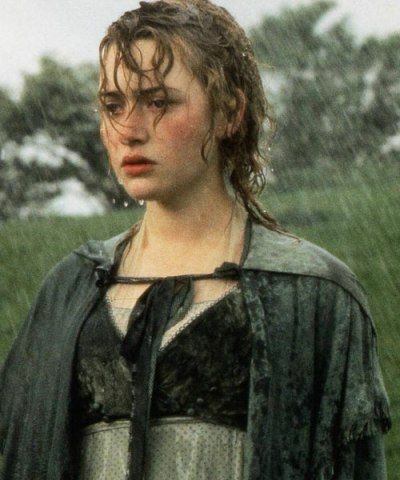
Emma Thompson as Elinor is breathtakingly modest and even though might seem a bit too much in order to fit the definition of the ideal lead actress, is charming and strong. But seeing her break down to love can be a bit disappointing to some.
Nevertheless, it is quite noteworthy that the perspective of this film maybe isn’t social commentary. It only narrates through the emotions of its key characters and given that, it is completely okay to celebrate love and all that comes with it.
Some peculiar anecdotes that highlight the life of a woman from the early 1800s, were Mr Willoughby’s refusal to marry Marriane because she didn’t accompany financial help or dowry, something women were measured with back then. It is of utmost irony that women back then were considered spiteful for wanting to earn but were also expected to bring in huge sums of money in matrimony, in order to be respected.
Talking about the use of colors, my most interesting find was the use of colour purple on Lucy’s dresses indicating how she craved luxury and wealth, probably why she ended up marrying Robert instead of Edward (Hugh Grant).
Additionally, through some other lens, yes director Ang Lee did do his best to make his male characters feminists. Today it might not count as enough, but in the mid 90s it paved way for the unpopular opinion of men as feminists.
Especially Alan Rickman as Colonel Brandon was quite free minded and understanding of the wants of women and how clinging them on to the shackles of society might not be the best idea.
Personally, instead of a man if a woman was shown to believe and perpetuate this idea, it would have been more empowering but given the time and the utmost liability to stay true to a novel originally published in 1811, this move was also pretty amazing.
Both Jane Austen and Ang Lee (who tried to enhance his male characters better and at the same time gave more space and character development to Marianne and Elinor), should be commended for their intent.
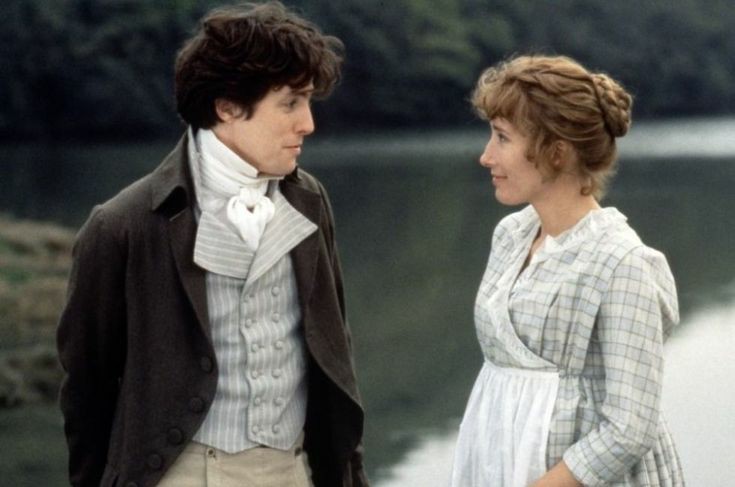
Love in the backdrop of this story, however overused and sometimes over justified stereotypes, essentially played a big role in knitting the entire story together. I just hoped there wasn’t as much weight on men’s shoulders to make women happy and complete, as was given in this film. It was disheartening to see Elinor and Edward get back together, and her breaking down all her strength in a matter of seconds just to see a man return at his convenience.
But like real life, not all emotions are perfect, and judging the situation too much would also be an irony, because feminism is all about letting women choose.
Concluding, Sense and Sensibility was an important cinematic move but changing times can’t guarantee its affect to be as phenomenal.

 The F Word