
To put it simply, Enola Holmes is or at least could’ve been an awesome directorial with a little more emphasis on the screenplay. However much of brilliance Millie Bobby Brown maybe, there’s only so much she can do to take the film forward. Not discarding the basic narrative that highlights patriarchy in late 1800s, political reforms of England and a little mysterious quest Enola is on, that intertwines all the subplots. The intention sure should be lauded but sometimes, when you attract the viewer on the pretense of a mystery, but lay far more importance on the deciding factors and less on how the mystery unfolds, the message doesn’t deliver.
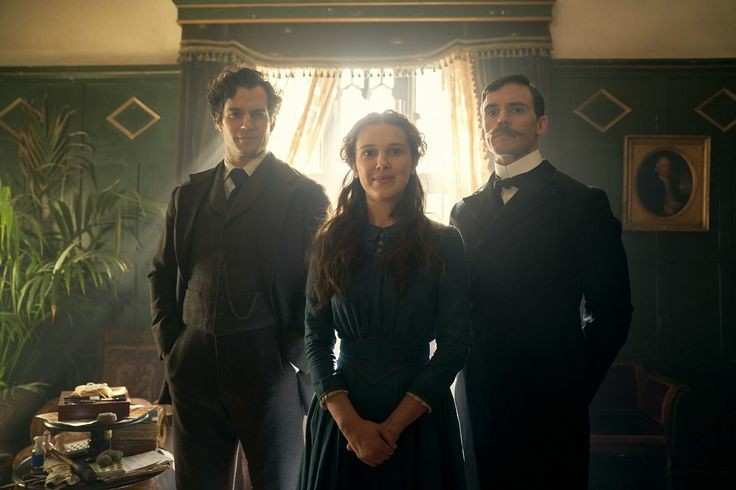
Enola Holmes is the story of Sherlock (Henry Cavill) and Mycroft’s (Sam Claflin) little sister who is as witty and sharp as his eldest brother, but seldom finds a way to make it big in the same world as his. Her gender, the time she grew up in, political situation such that is still far away from women’s voting rights, there is little to no scope of her being taken seriously with mystic endeavors. Set in 1884 England, the film pans out around Enola’s missing mother (Helena Carter), who made her who she is today, but also considers privacy the greatest virtue of all. The latter makes her quest difficult and hence comes forward, a chest of hidden clues only Enola could decipher. These pave way for the find, but it is not long before you yourself realize that the mother voluntarily has laid down baits for her daughter. While Bobby Brown leaves no stone unturned in doing justice to her character, what intrinsically seems too much is the deciphering sequences. As a viewer, one wishes to make sense of something and delve into it as the story proceeds. But the numerous codes that in no way link to one another but magically make sense to Enola every step of the way, don’t seem as marvelous as intended.
If you’ve seen the trailer of the film, you must expect fast-paced events because they’re in abundance and set a good pitch for what to expect. The feminist narrative is as prevalent in the film as in the trailer. Mycroft Holmes and his unwillingness to let go of his toxic masculinity even when his mother goes missing, points to the lasting inhibitions patriarchy comes with. Elements like a lady’s corset and demeanor or the mere definition of being a woman seeming very close to being a slave is meticulously hinted at. For instance, the woman who tutors Enola into behaving like a lady says “These clothes will free you and make you fit in” as she talks about hip enhancers and waist tightening corsets. This serves as a subtle explanation on why women themselves never question their oppression or at least see it as one.
The film digresses from its initial pitch quite frequently and unapologetically. It fails to hold you in due to the lack of newness and unpredictability. With so many political undertones, it feels like you need to be thorough of facts before you indulge into fiction. Henry Cavil as Sherlock was supposed to be underplayed because this is not about him. It is not his story. But he comes across as too timid, partly because of poor writing and partly because we have had the likes of Benedict Cumberbatch and Robert Downey Jr play the role which has set the bar way too high.
What stands out though, are the camera movements. Inarguably, all the chase and fighting sequences are top-notch and probably the highlight. Whenever Enola is in the frame, the camera doesn’t place itself at a distance, but rather tries to catch a glimpse of her mind through several close-ups. This fuels up every time she looks into the camera and talks to us. Evidently, Enola Holmes isn’t worth the hype yet a valuable addition to Sherlock’s world.


